What Walked In by Jewellery – Linking Bodies

Invite for our exhibition

How do we pass through architecturally, from inside to outside? How do we make contact materially with meaning – via ritual, prayer, storytelling, gaming? And how are ideas around value, gender and the body passed on, upheld and reinforced?

What Walked In is an exhibition of new jewellery and sculpture from the Jewellery—Linking Bodies department of the Gerrit Rietveld Academie that thinks into the concept of the threshold.

What Walked In is part of the fifth edition of OBSESSED! Jewellery Festival with the theme Glow up!

2025

Lujza Kramárová 

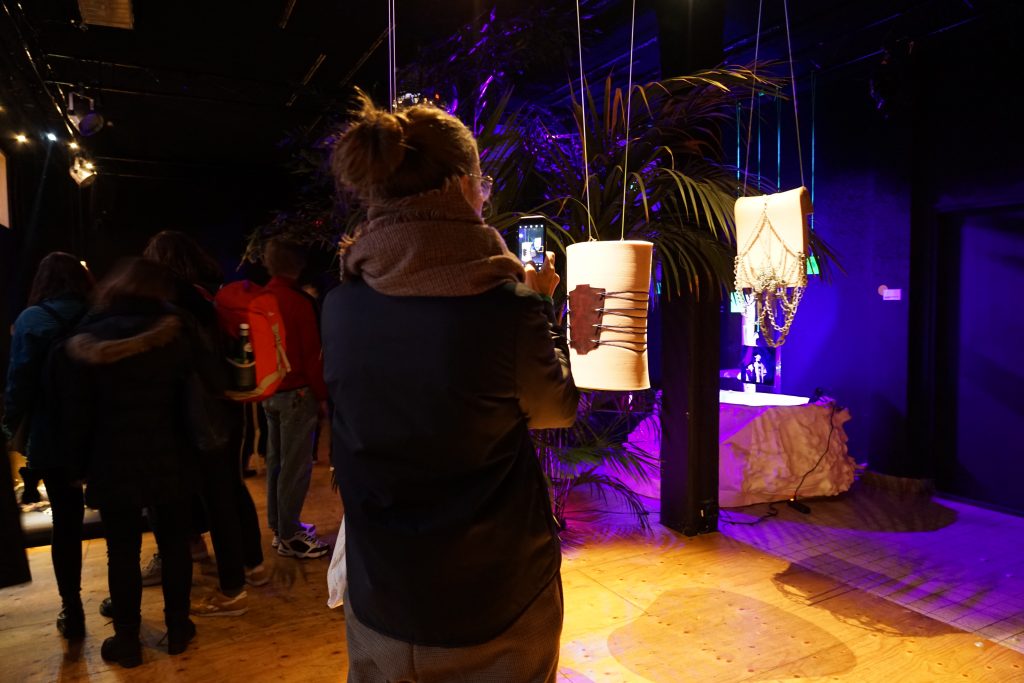
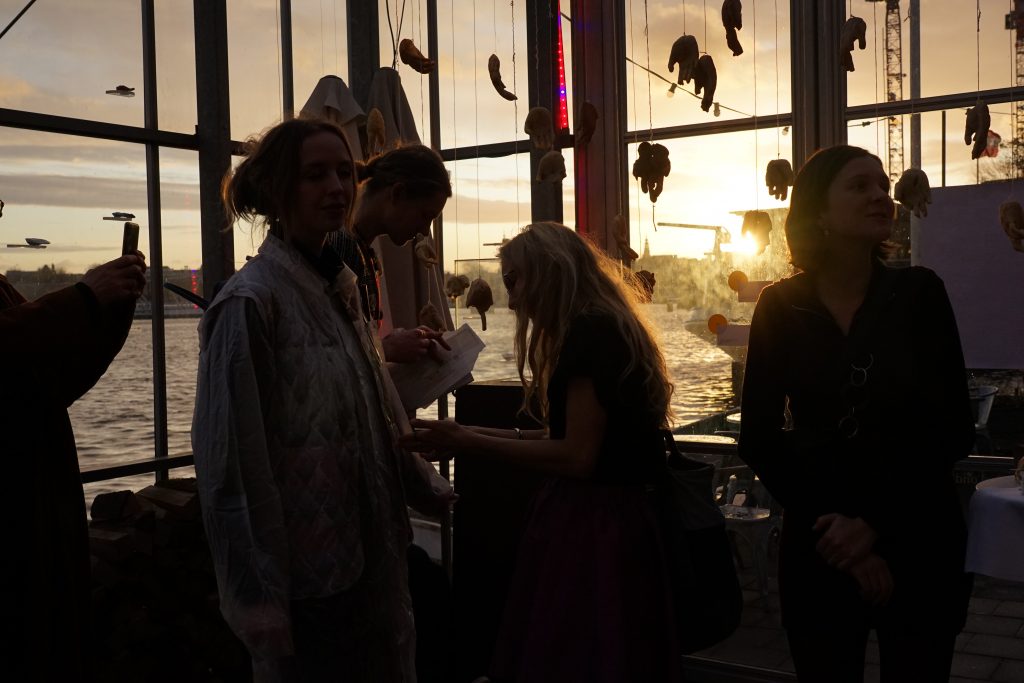
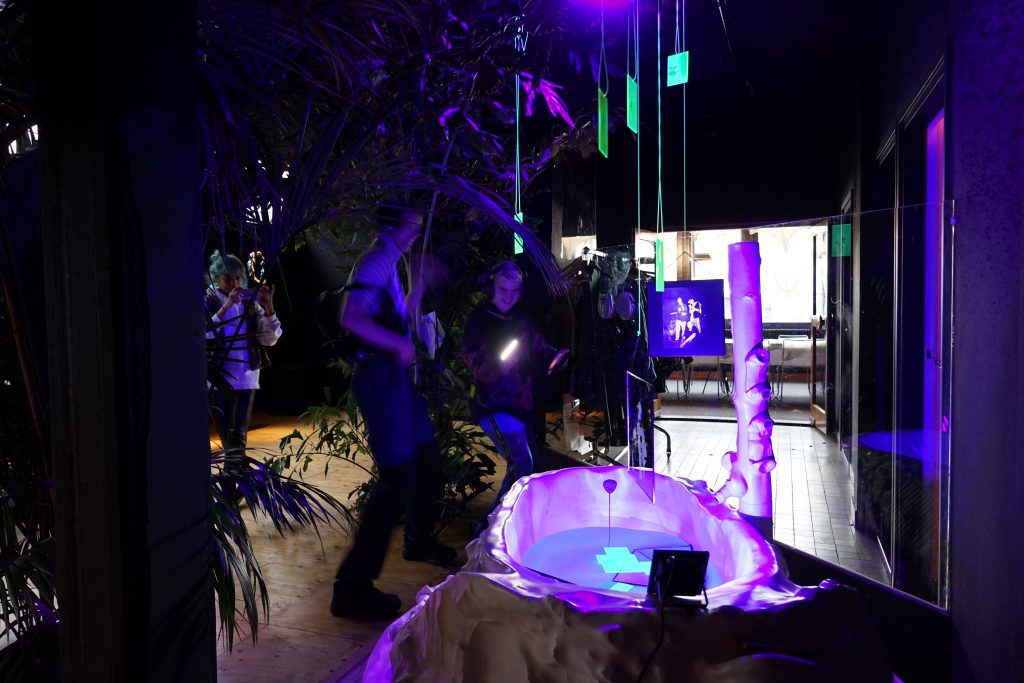
What choreographs the contemporary body? What unseen forces are shaping our desires, behaviours, futures? Through the interplay of sculptures, light, scent, and sound, Taste, State, Behaviour (Xenohormones) confronts the supposedly immaterial agents that mediate contemporary embodiment.

The work begins with hundreds of sculptures recalling the sorts of containers used in the cosmetic, pharmaceutical, and wellness industries. Among the ingredients in the sculptures’ material foundation are cadmium, copper, soya, petrochemical derivatives and zinc — elements and compounds that can be classed as xenohormones (substances produced outside the body that mimic or disrupt its hormonal activity) and are commonly found in everyday consumer products. We are arguably more familiar with the seductive promises of such products than their molecular make-up, yet the ideals they sell are grounded in biochemical realities.

Frequencies deepen. Light shifts. Scent densities fluctuate. A physical tension settles. You step, bend, turn, and adapt.

Max van Meeuwen

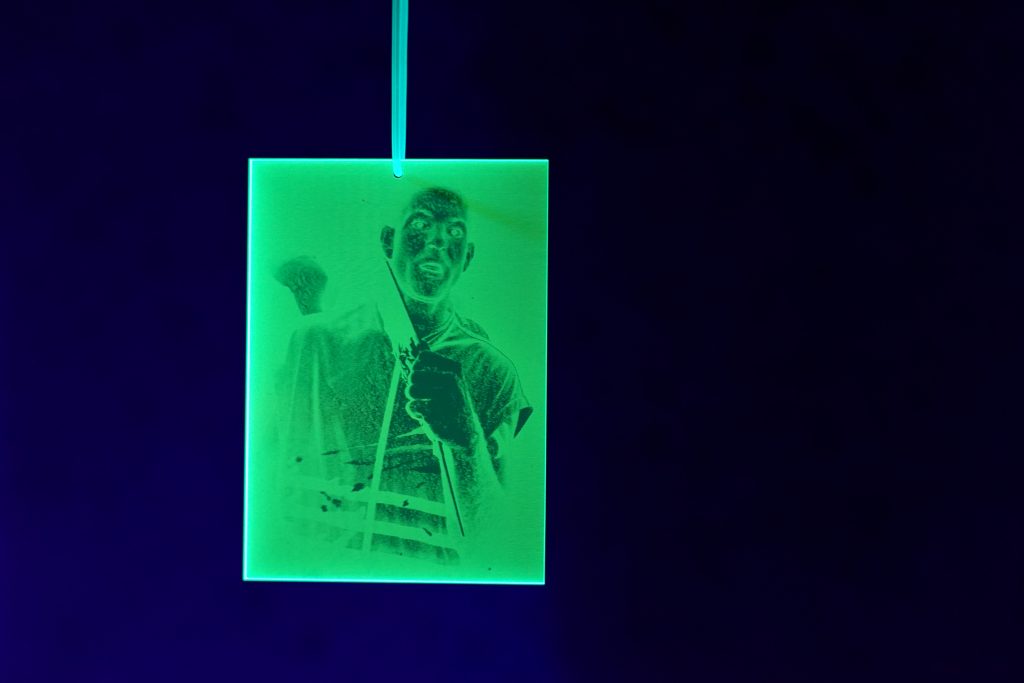
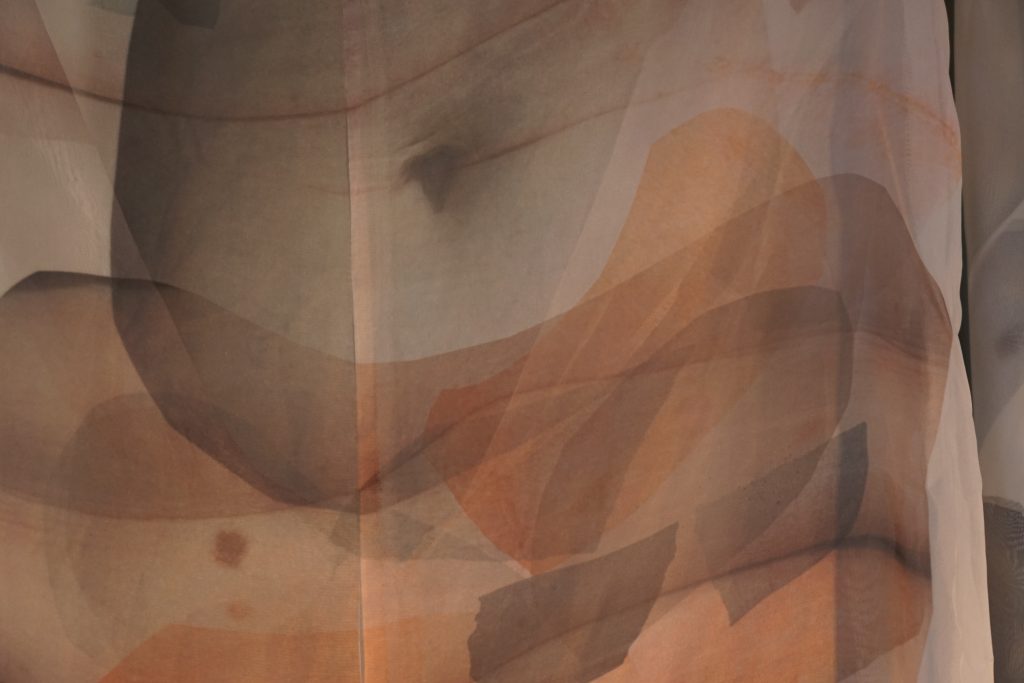
Max is pulling things out of the darkness. As in their dreams, so too in monotype printing. They start with an enormous, inked-up plate. They lean in to it, over it; before them a sheet of beautiful black. With a cloth or a Q-tip they then remove the ink to create the image, wiping it away. There’s a gentle violence to the image-making that comes from negation. Creation via inversion. And there’s an intimacy, too. The ink-sodden cloth and the ragged Q-tip are better known to the body for cleaning. The body’s nooks and crannies, its fleshy undulations and oozing orifices, these spots hold the secrets that are silenced with a swipe. Here, at the point of removal, and here in a moment of frozen movement – as in Caravaggio’s last painting The Matyrdom of Saint Ursula, where an arrow pierces Ursula’s chest – here is where the story is. ‘Prepare to meet God.’

The three-headed dog guards the gates of Hell. His heads represent the past, present and future. We’re standing before a portal or passage.

Zoom out. Max’s ink-black print is a single, sharp-lined slice of something much fleshier. It’s bodily, see? See how the image arises from the monstrous composition? The erotics of the cross-section?

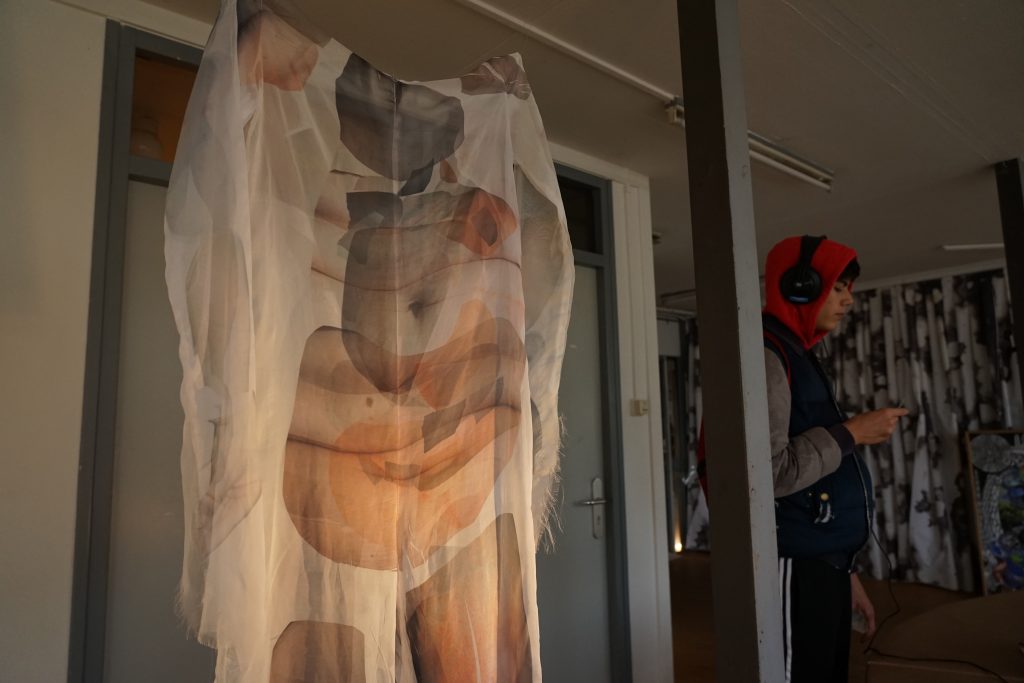
In their graduation work, Max conjures huge, powerful bodies in motion. These bodies disrupt the landscape. Over 40 individual A0 prints form multiple works that crouch in the Rietveld garden. This reverse Frankenstein – whole before it became a composite – is unrecognisably feminine, depersonalised by scale. (text written by Clem Edwards)

Emma Panzou – Lespinasse-Ide-Lafargue

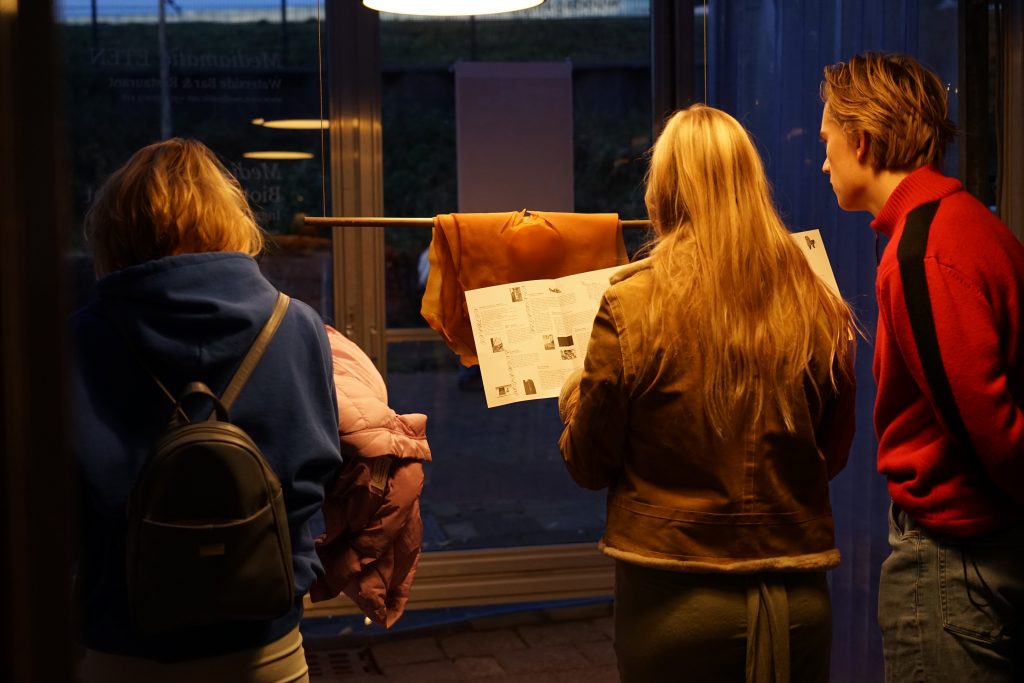
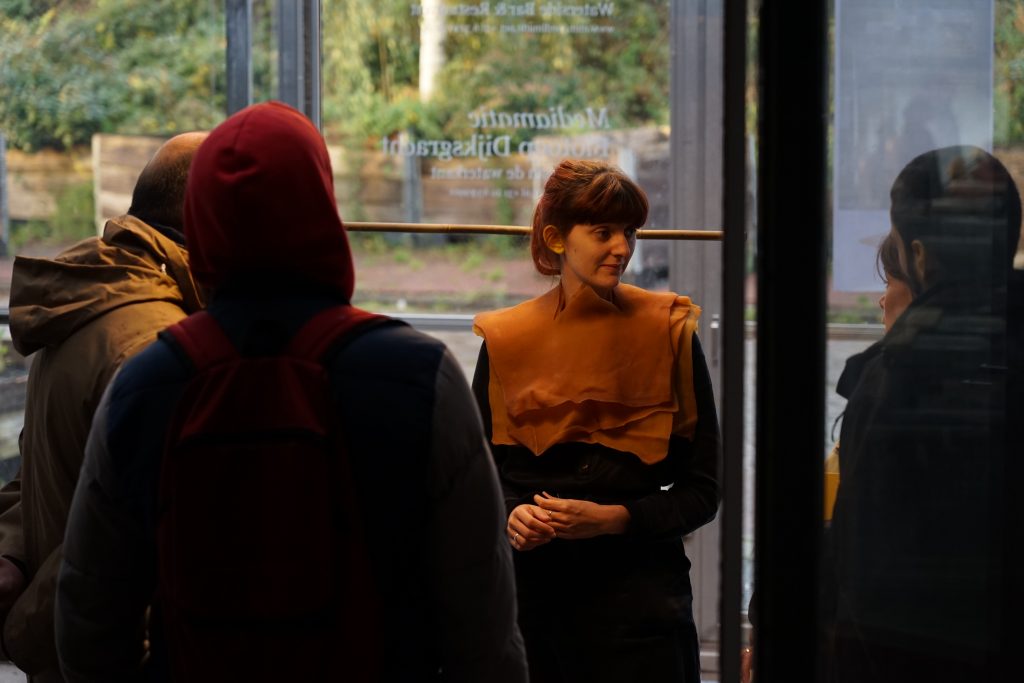
Everyone knows the story of the pearl. Molluscs make them when an organism finds its way into the shell. For Emma, the grain of sand that became her graduation work was a small jewellery inheritance that arrived in an orange paper bag. Within it, among other treasures, a pearl necklace.

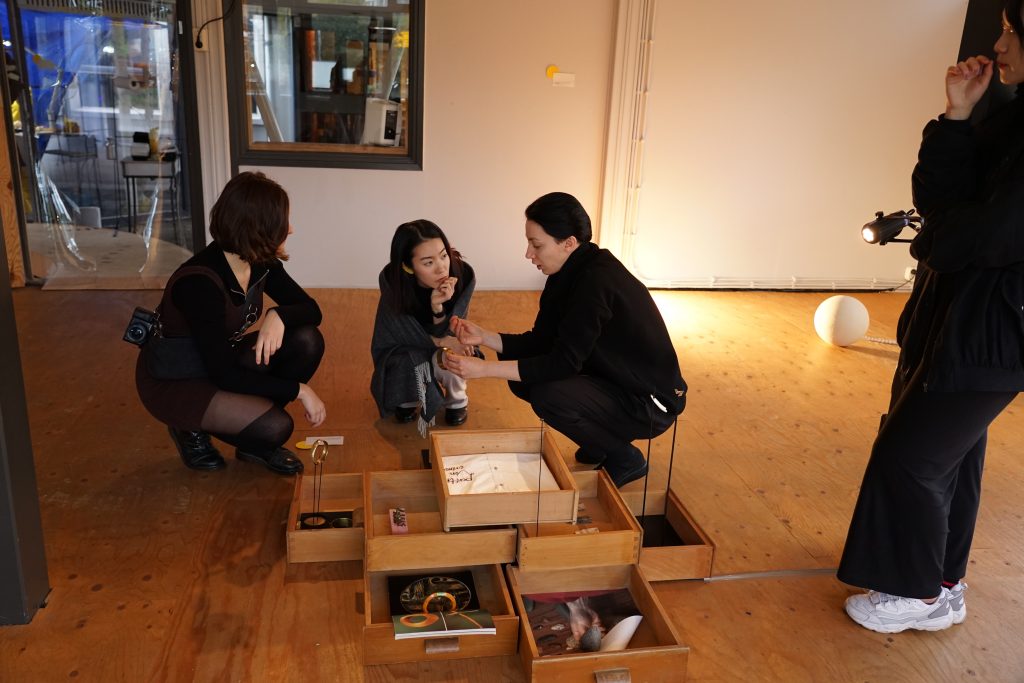
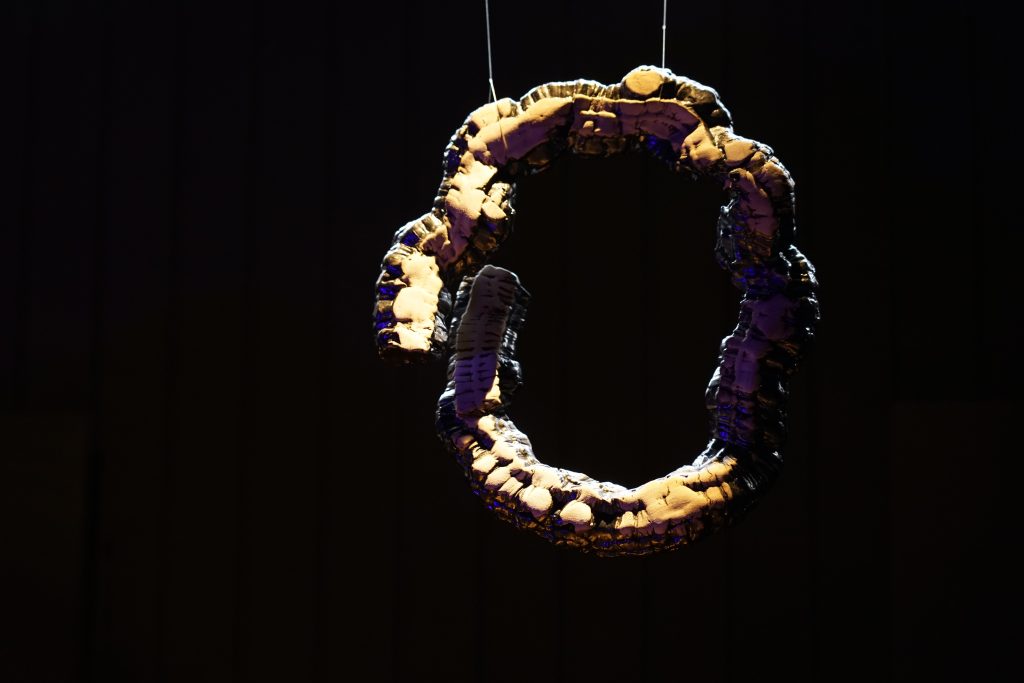
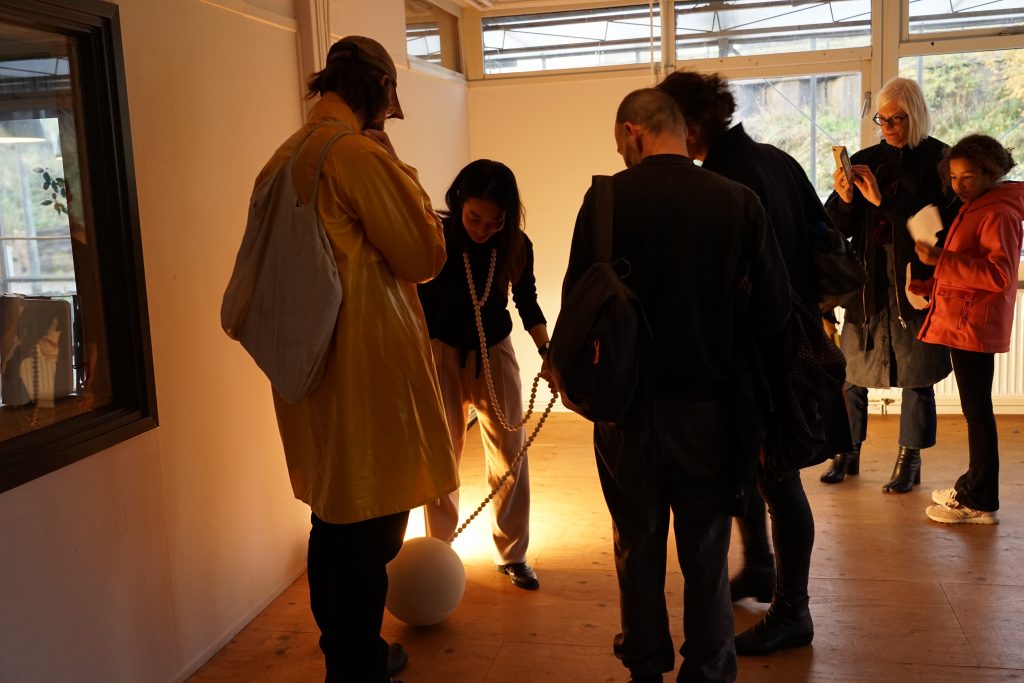
Emma’s work explodes the archetype of the pearl necklace, troubling the many ways in which value has been assigned onto it. It is a conceptual enquiry into the form that is faithful to the form itself – each necklace summoning one perennial characteristic of the iconic pearl necklace and materialising a new iteration to center that characteristic. Take for instance the extraordinarily long string of seed pearls that guides the viewer into the exhibition space. This work spotlights the hand-led body-delight of repetitive acts in craft practices. A greenish pearl necklace that has been marinating in layer upon layer of electroplating and rust speaks to the slow and unpredictable way in which the pearl grows and takes shape. Elsewhere, something fleshy and pearl-like emerges from a silver disc – it’s like watching all the frames of a stop-motion cartoon at once. The pearl and its host are made of the same material. Questions of rarity, scale and market value are presented almost museologically in Emma’s installation. What’s important is that the body of work sidesteps the emotional and political weight of the jewellery inheritance and of jewellery’s inheritances. Instead and more simply, it delights in the many possibilities of the pearl necklace.

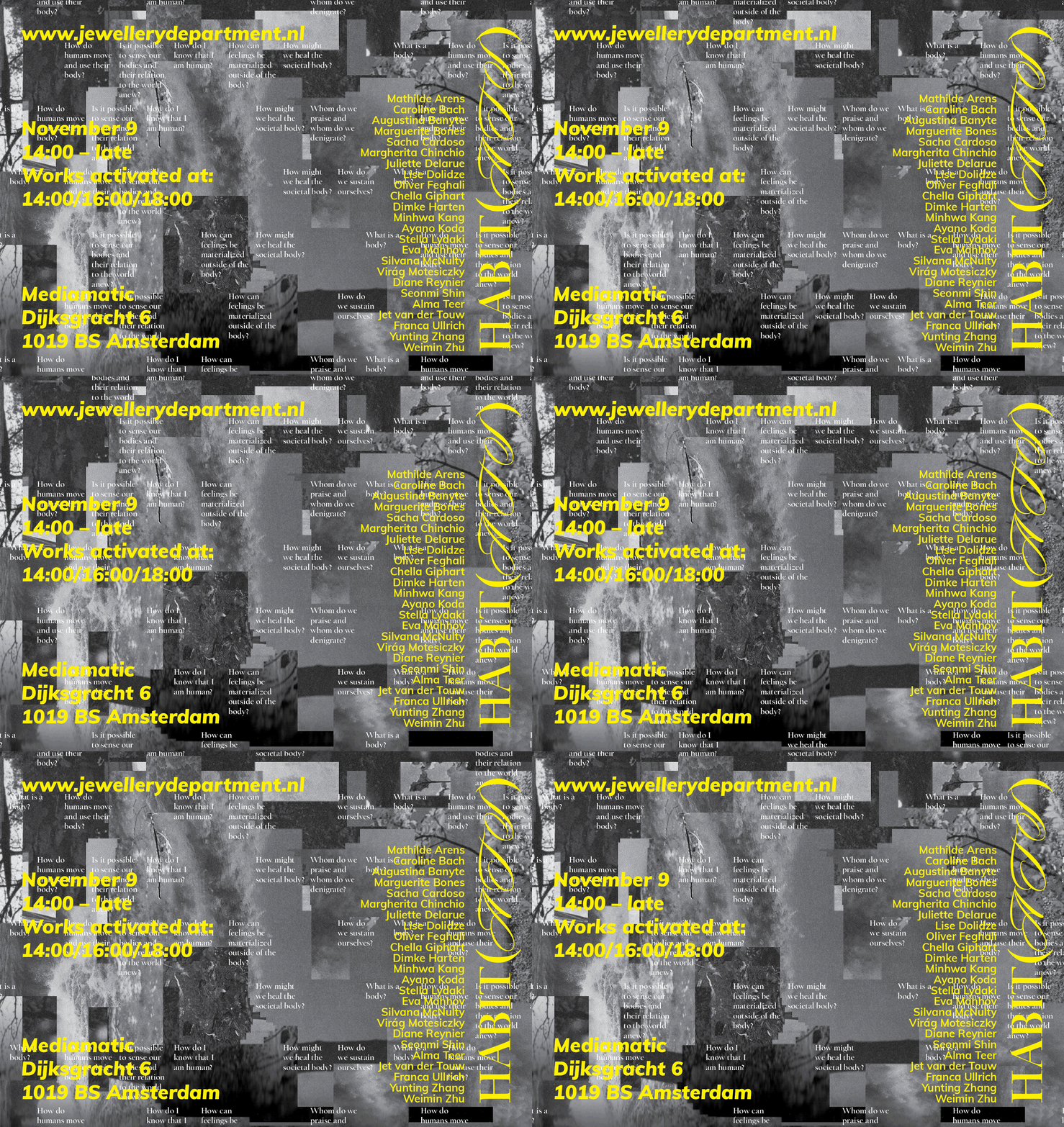
HABIT(ATS)

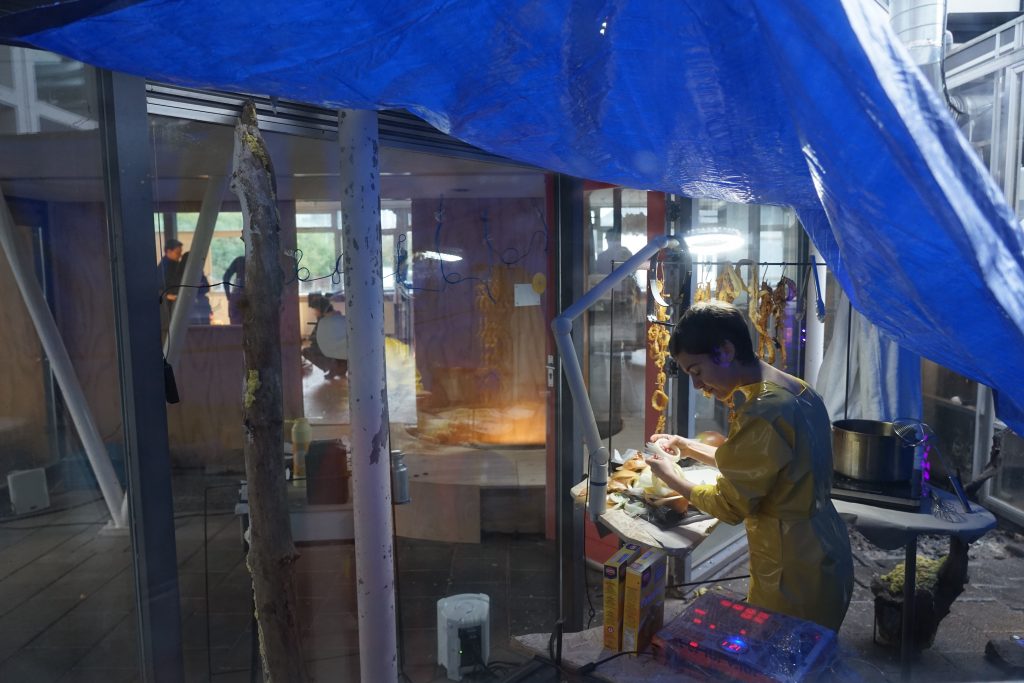
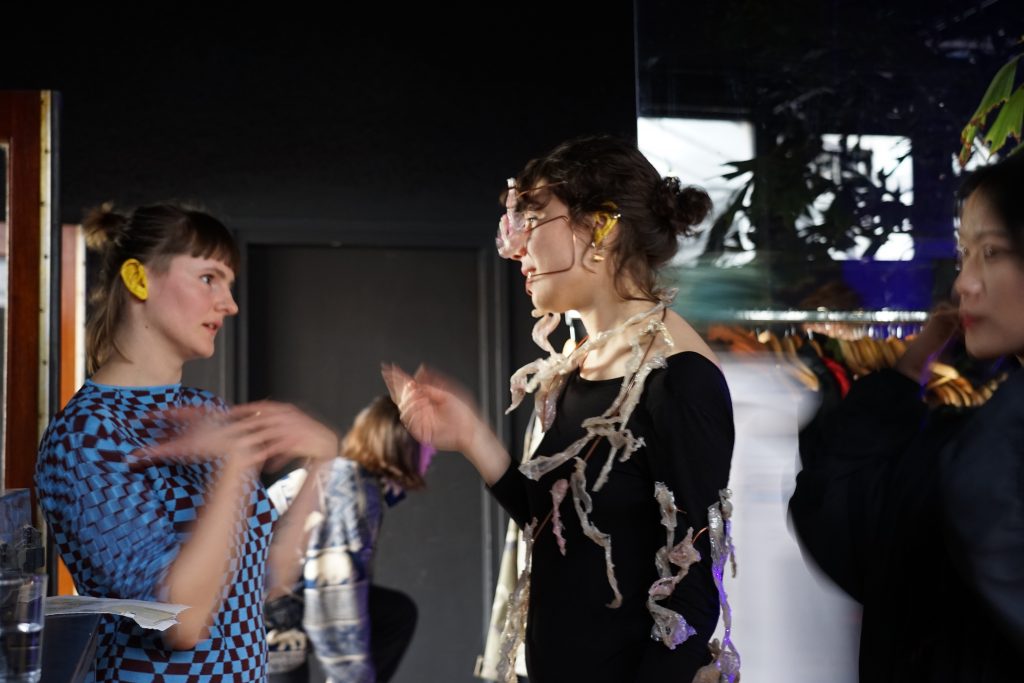
Photos by Catherine Brugel

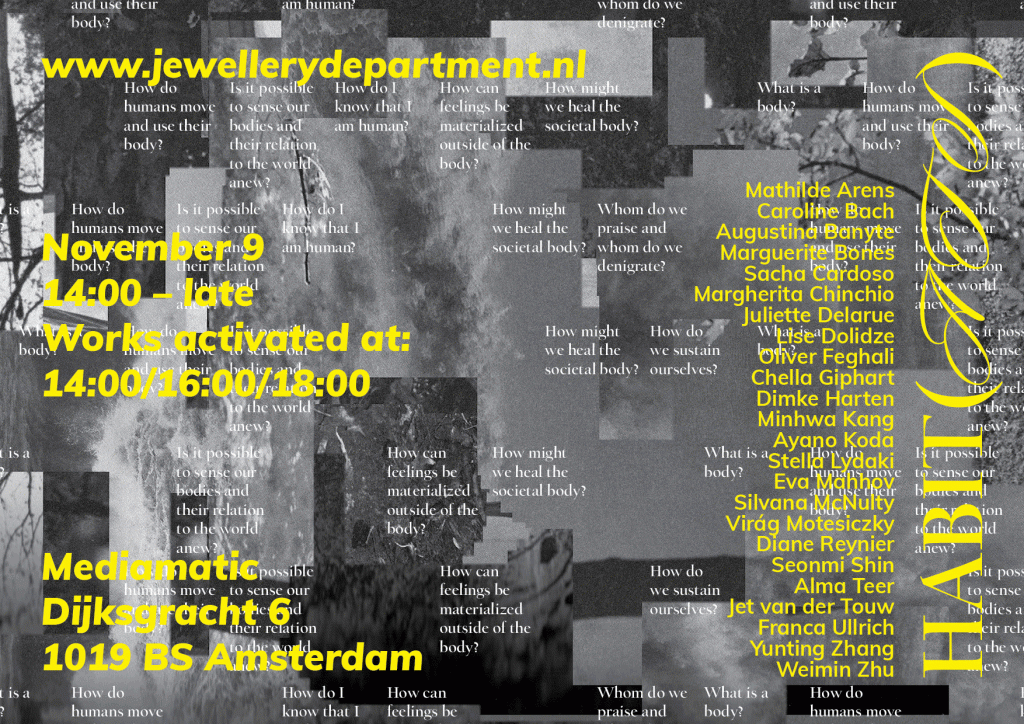
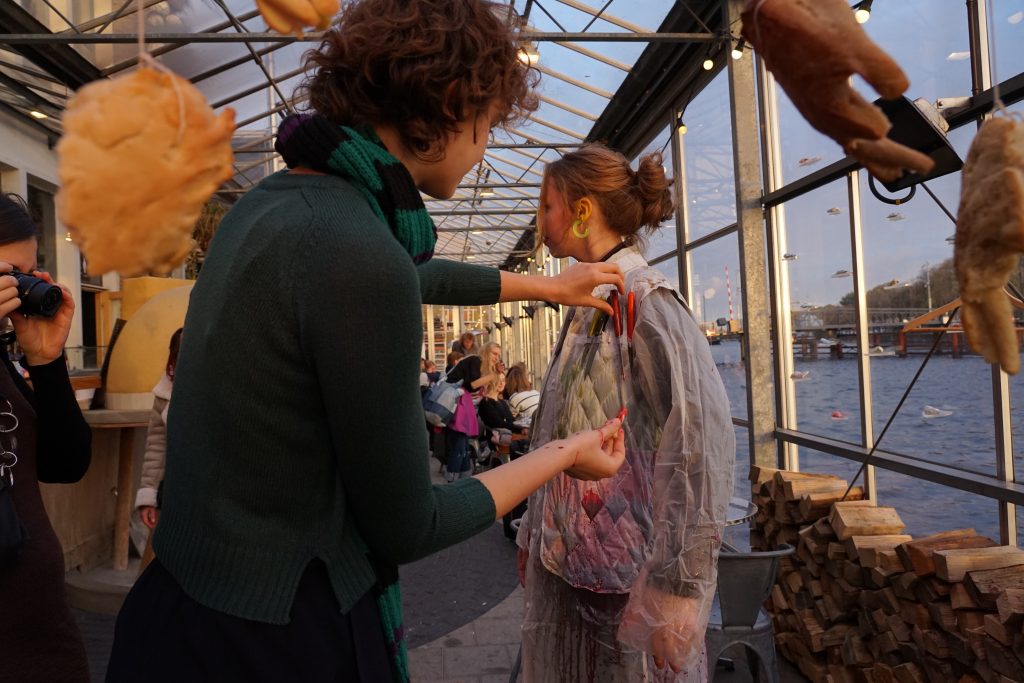
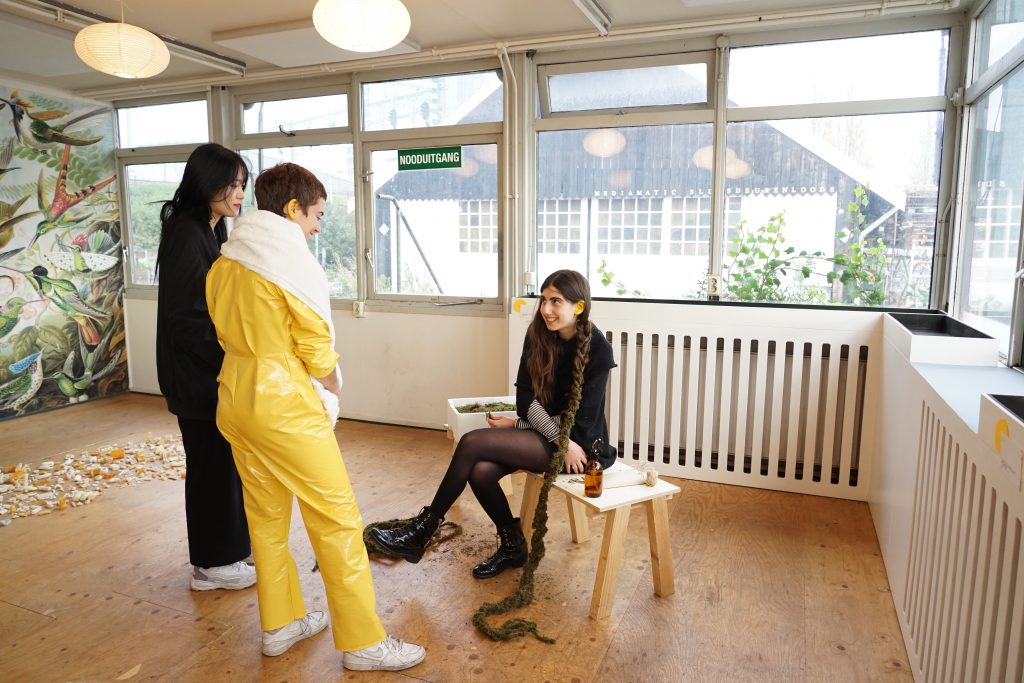
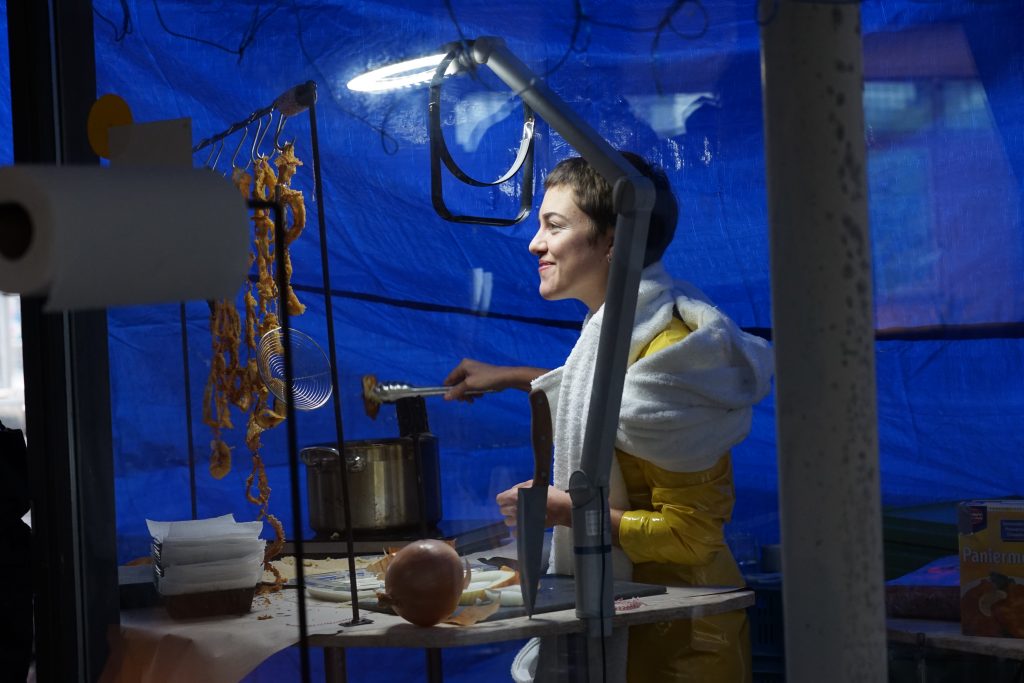
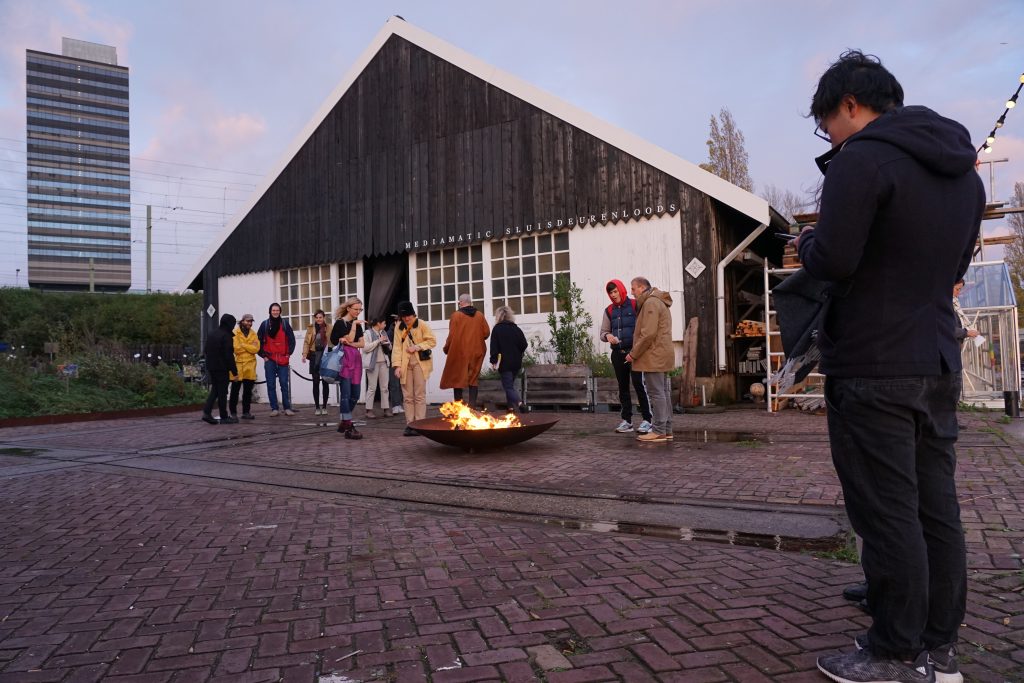
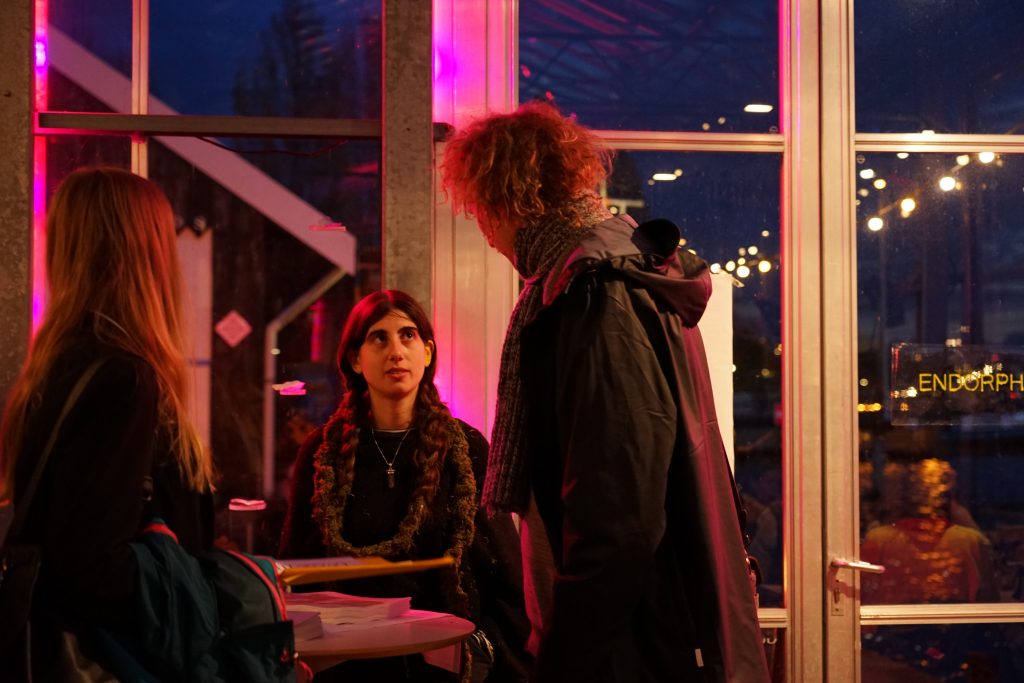
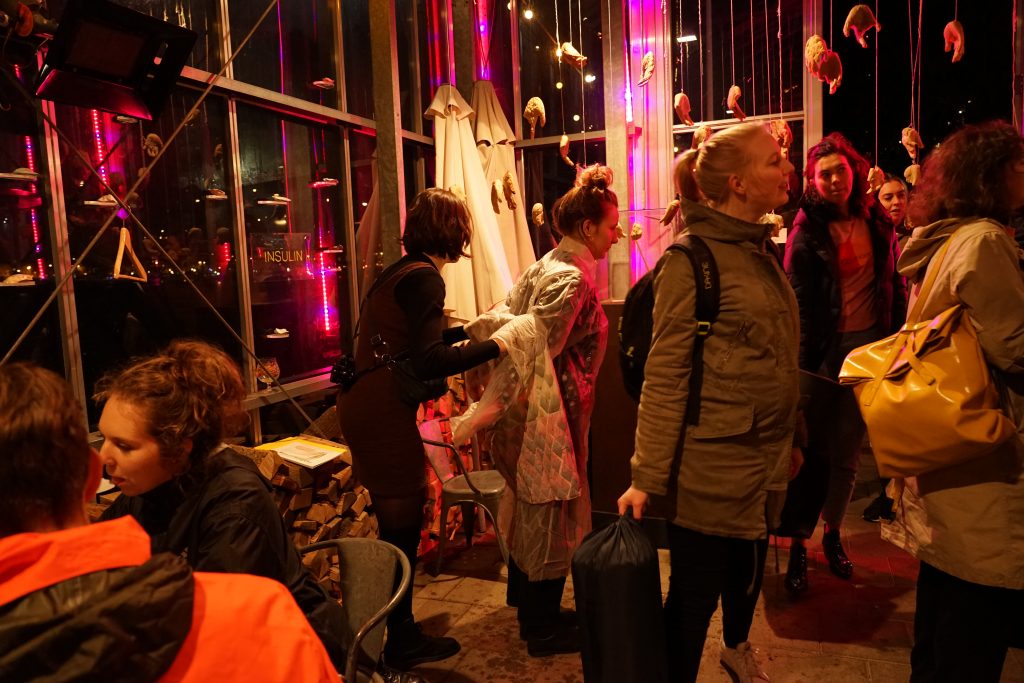
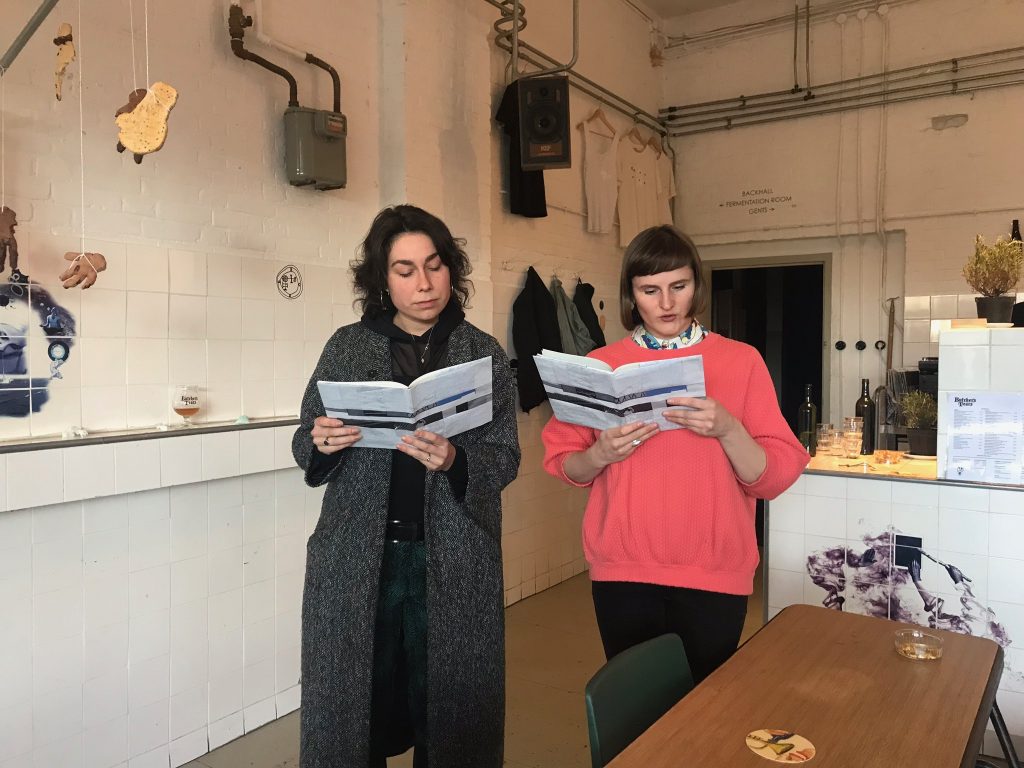
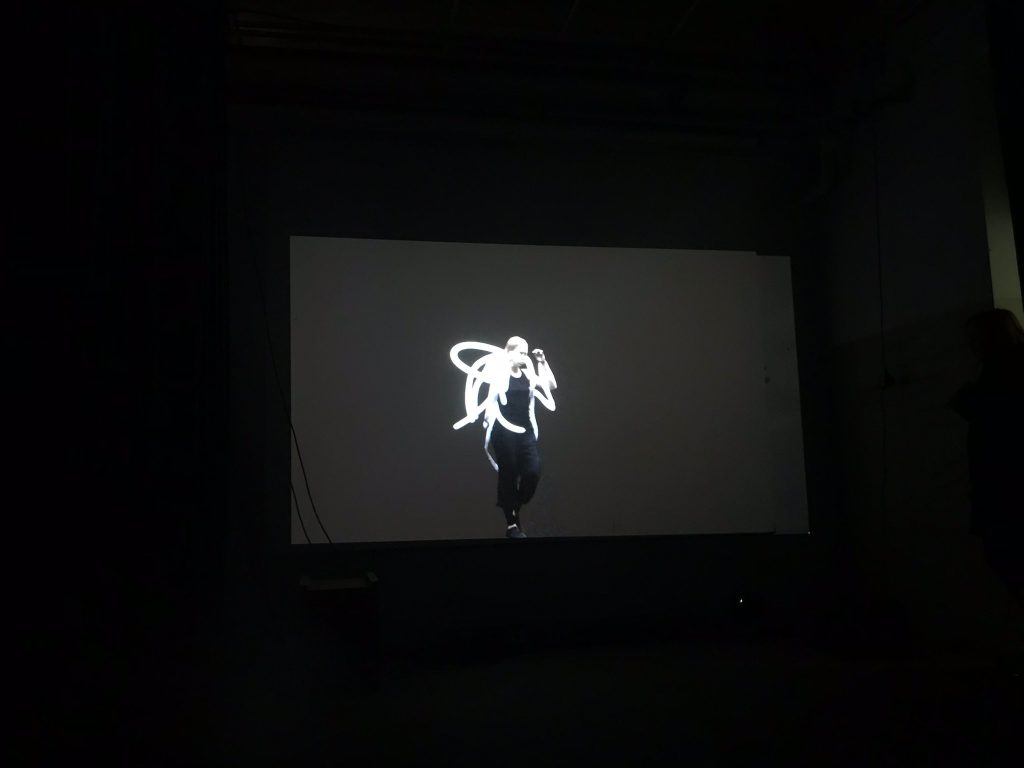
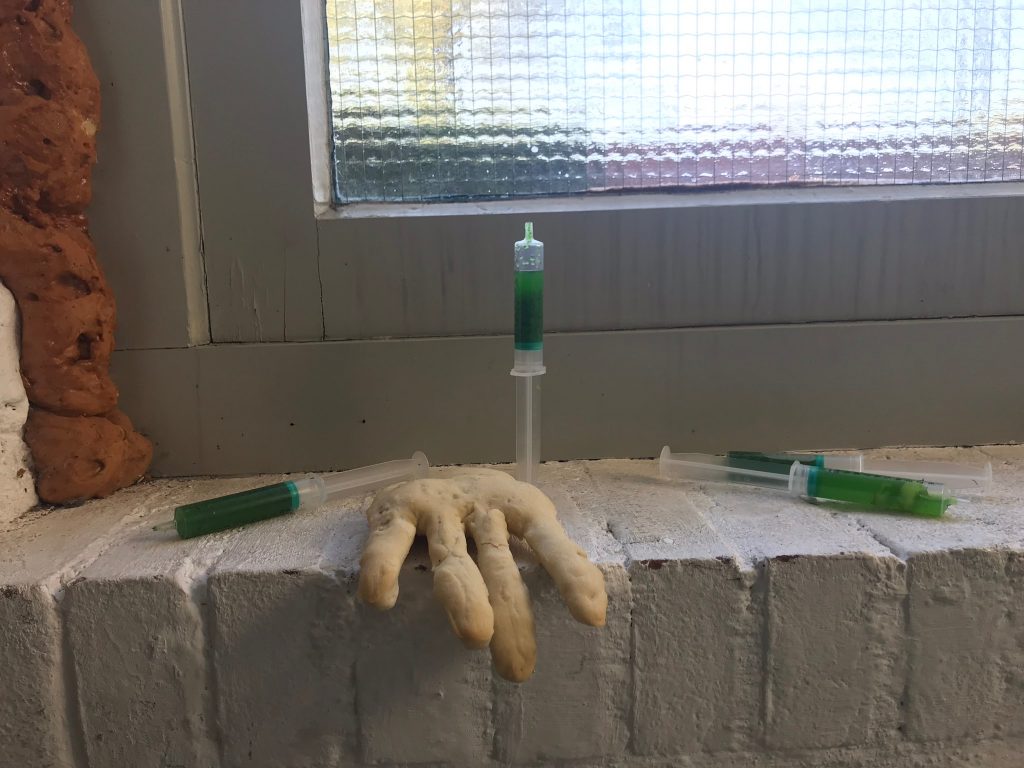
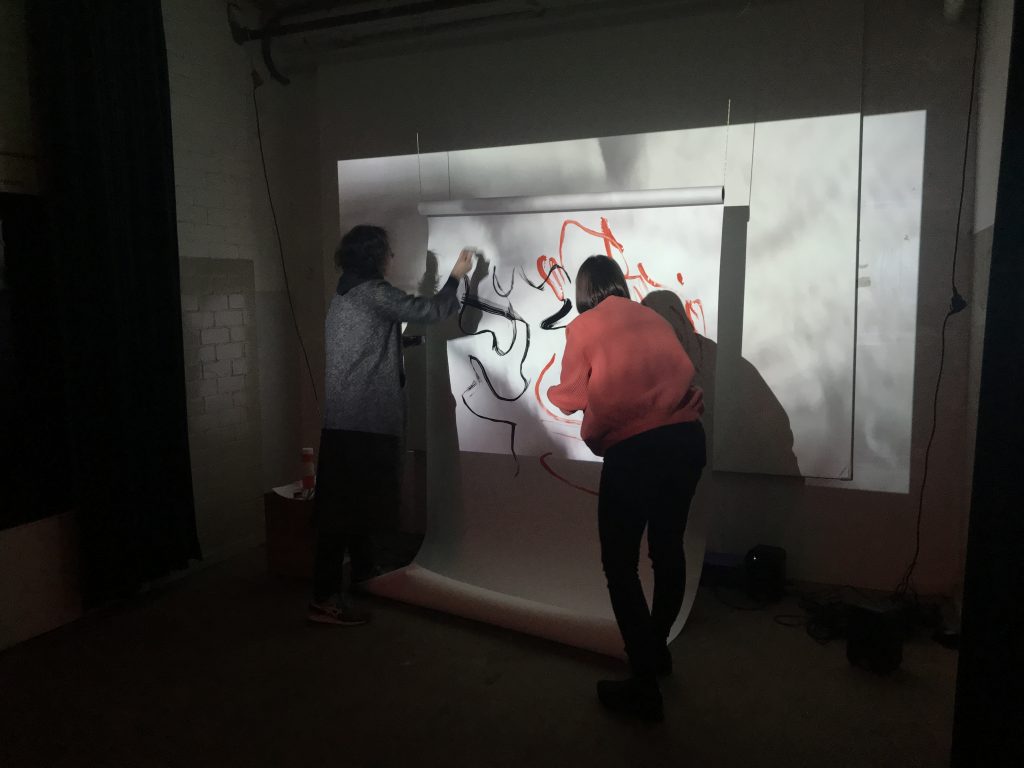
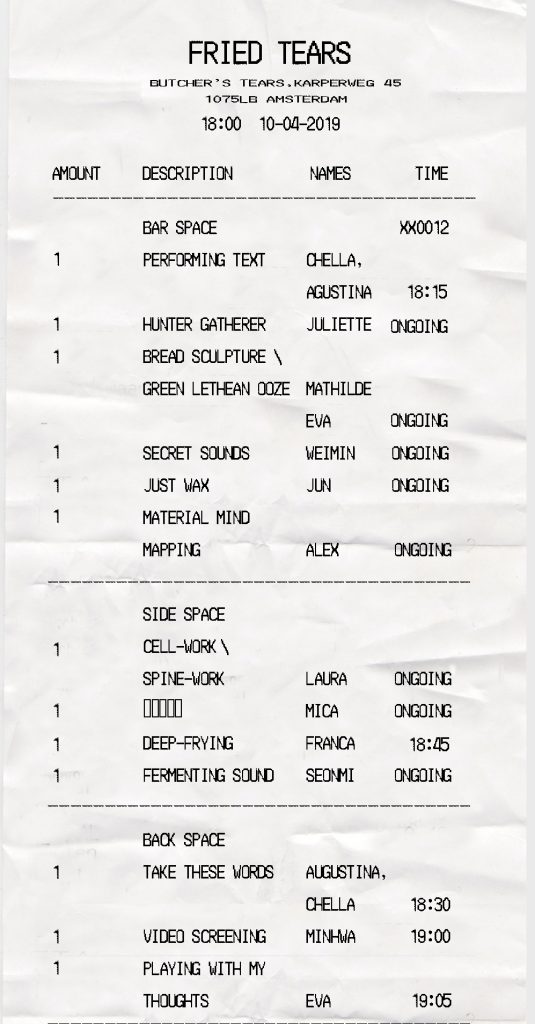
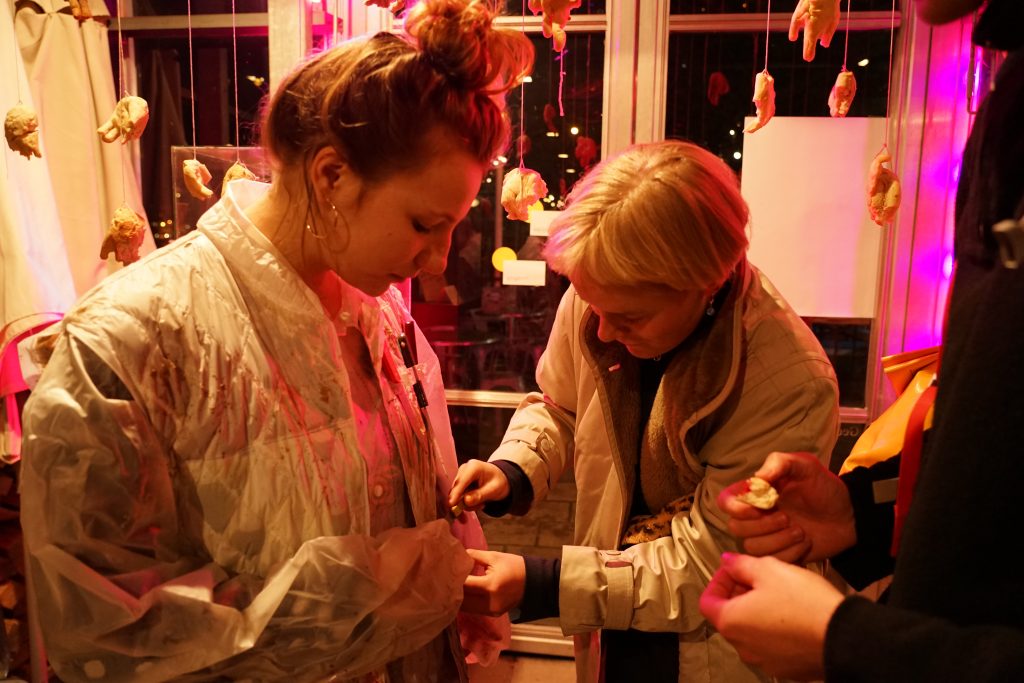
In occasion of the Obsessed! Jewellery festival, the Jewellery – Linking Bodies department proudly presents HABIT(ATS) at Mediamatic !

What is a body? How do humans move and use their body? Is it possible to sense our bodies and their relation to the world anew? How do I know that I am human? How can feelings be materialized outside of the body? How might we heal the societal body? Whom do we praise and whom do we denigrate? How do we sustain ourselves?

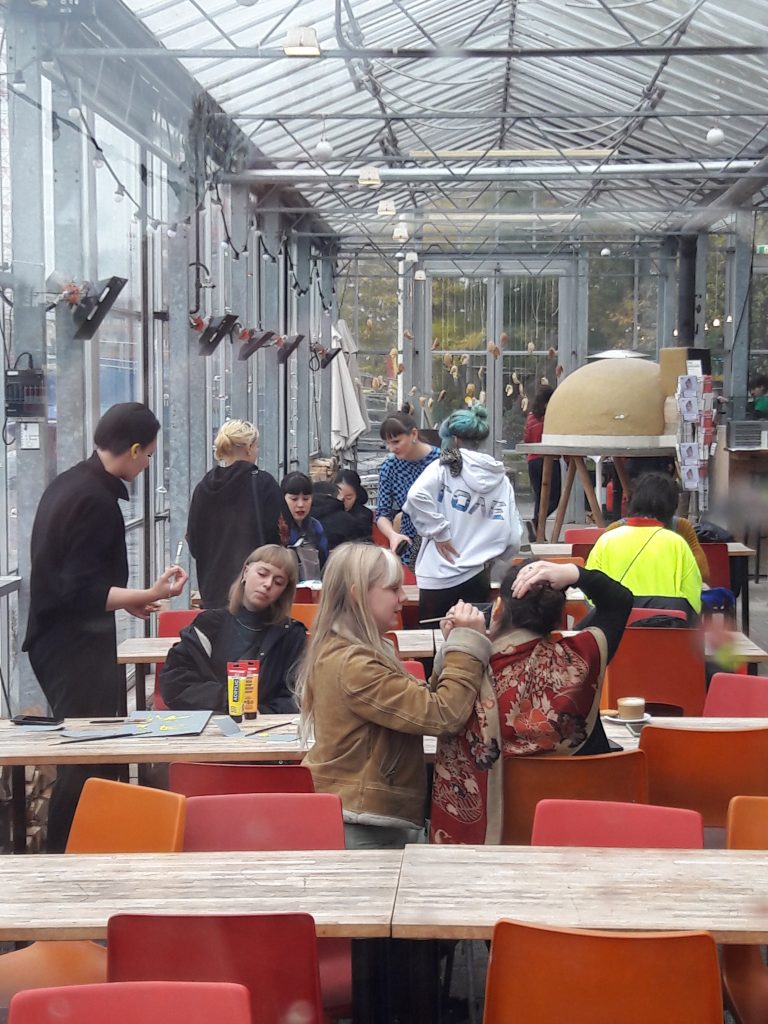
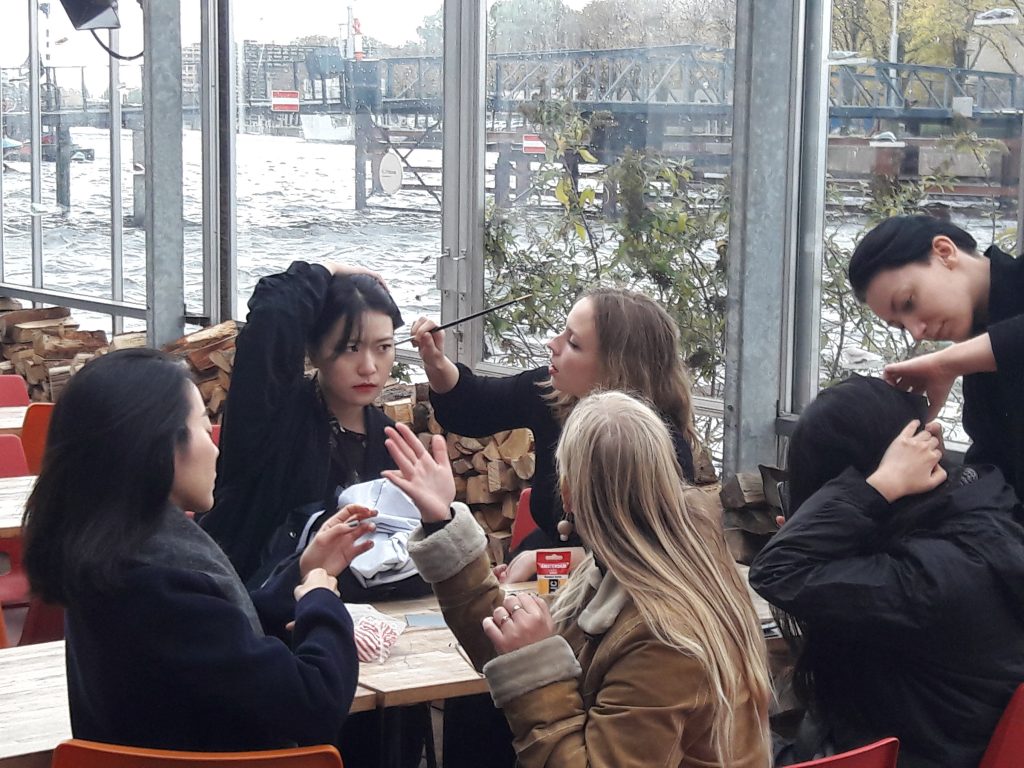
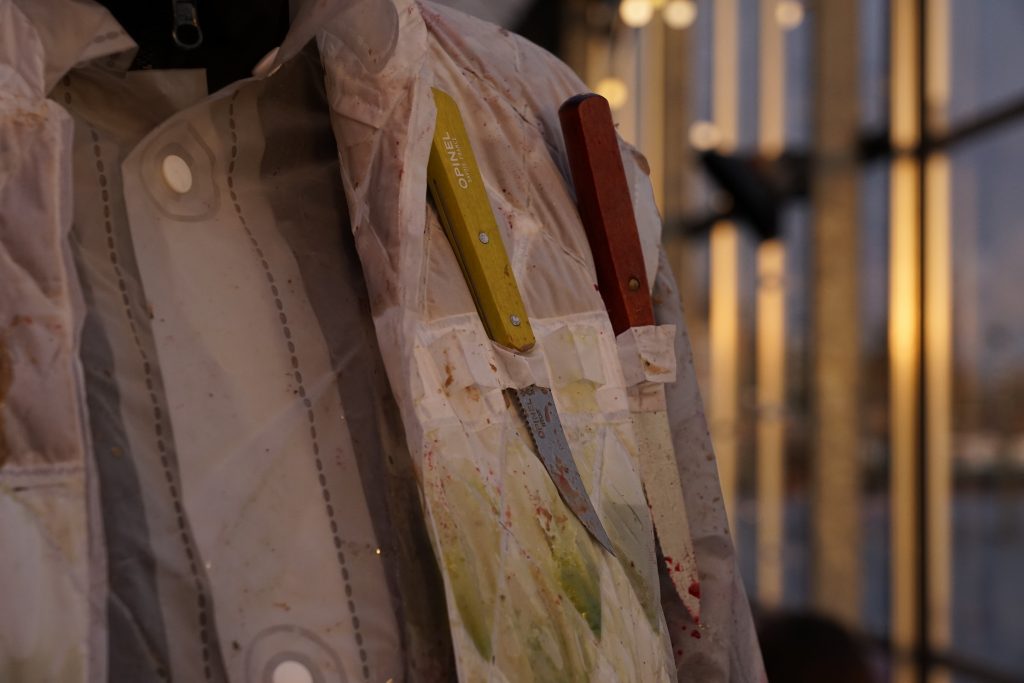
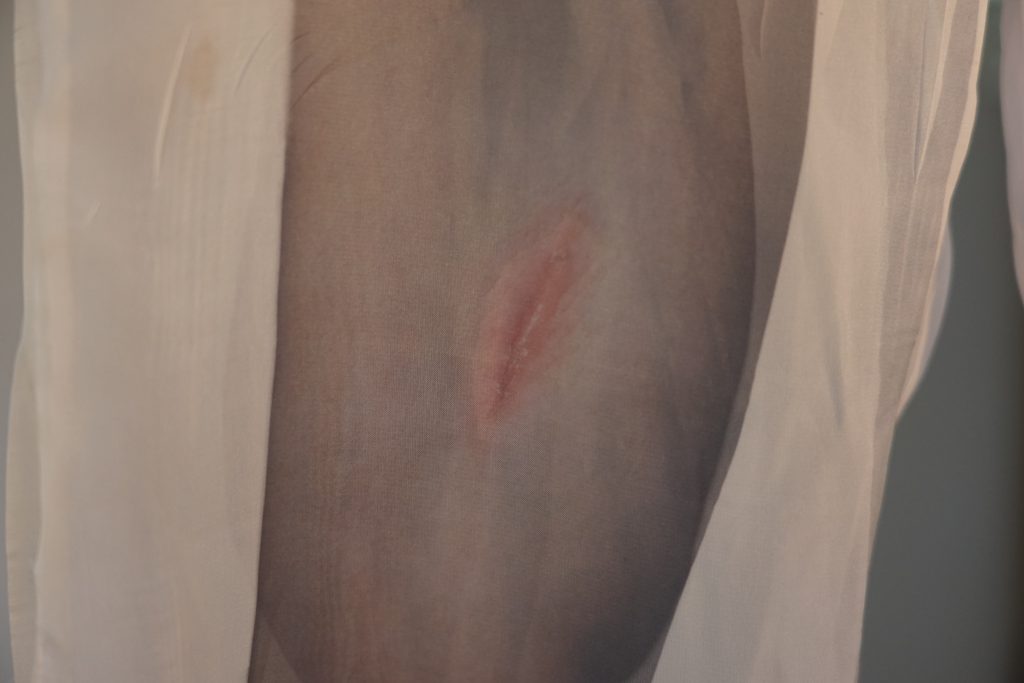
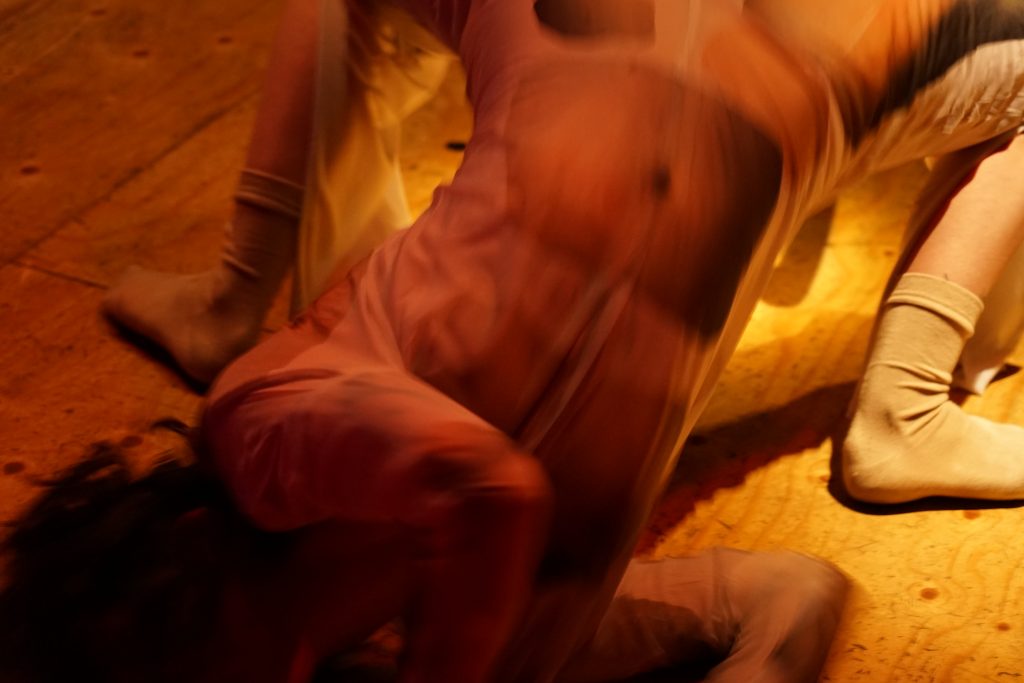
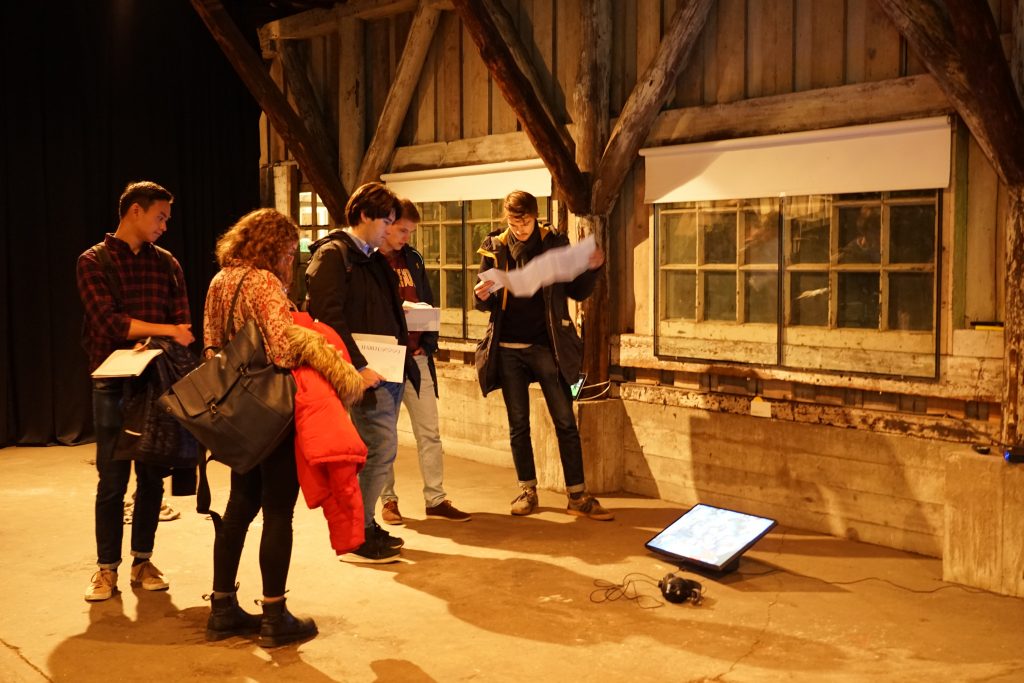
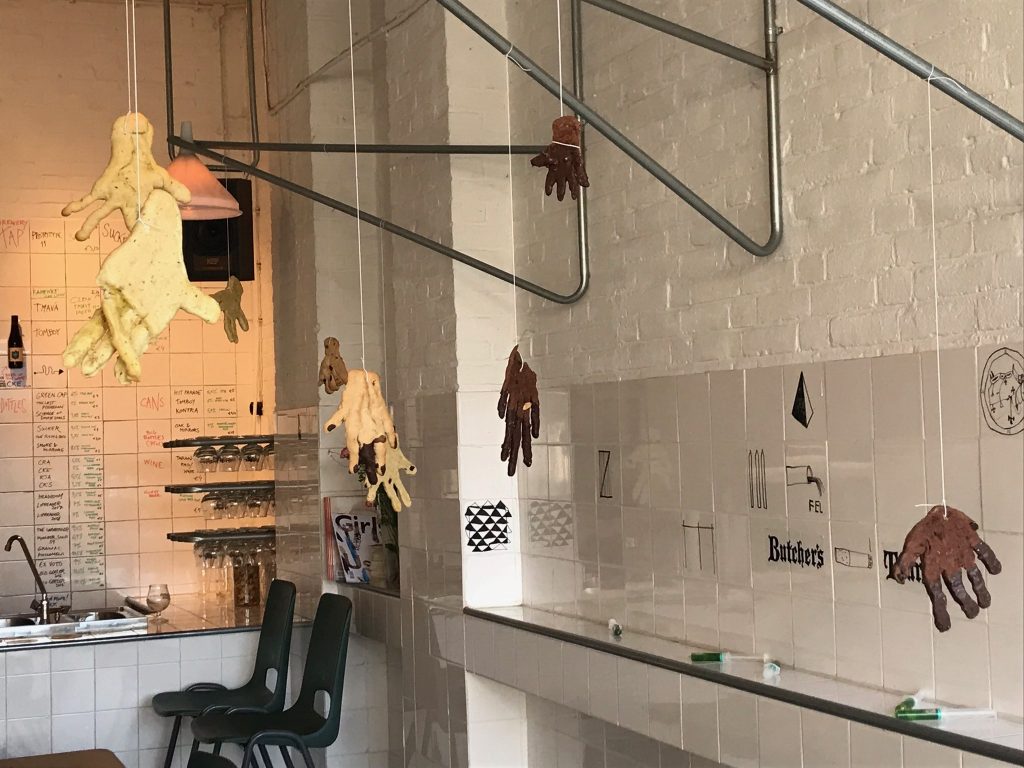
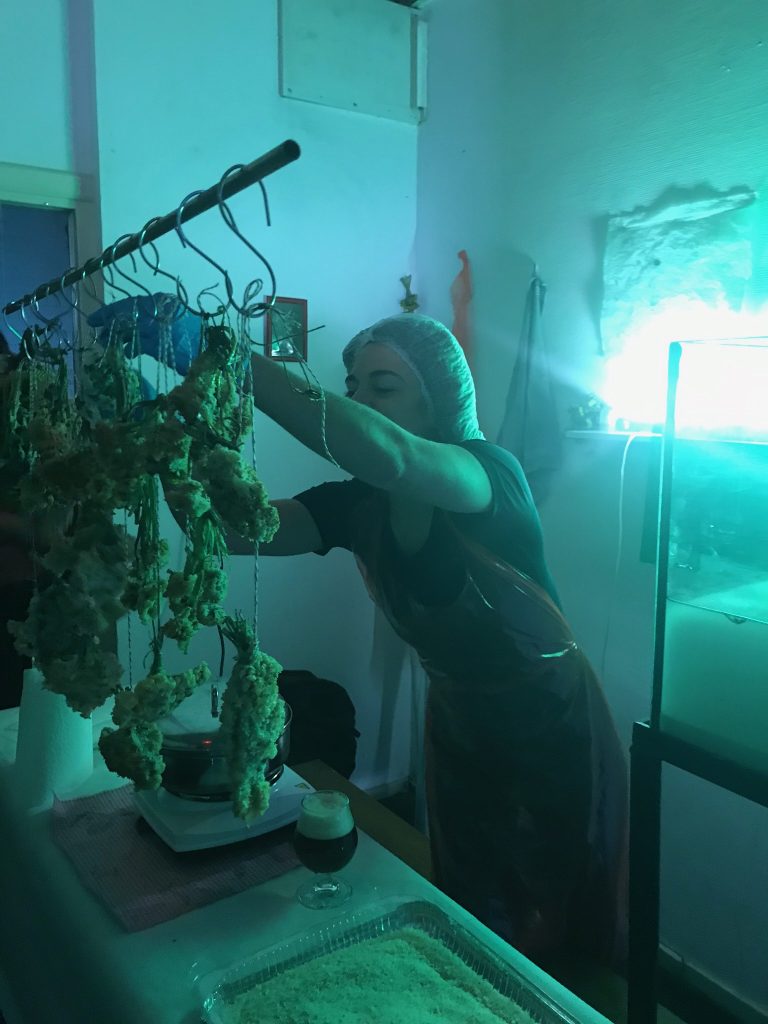
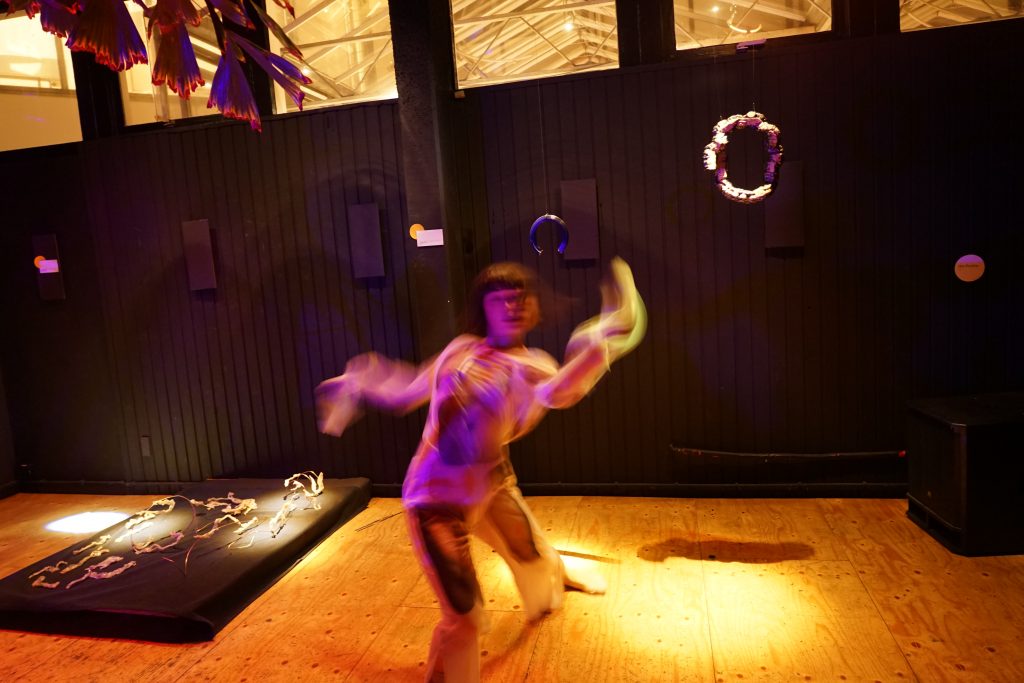
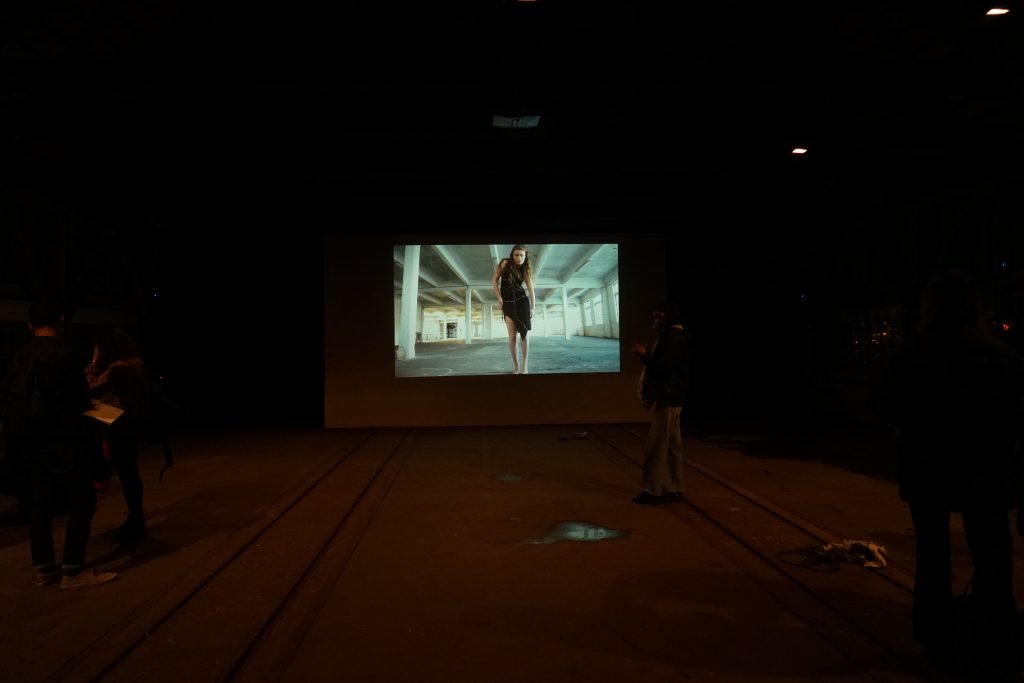
As part of the HABIT(ATS) project, the Jewellery – Linking Bodies department of the Gerrit Rietveld Academie explores such questions over the course of five hours, where a choreography of bodies, objects, gestures and enunciations will transpire within specific habitats. Students and alumni will present currently ongoing research as well as projects from the previous year. It might be that choreographing such an encounter will offer an invitation to open up the opportunities for us and our bodies to move and relate in unexpected ways. 

Information
Saturday, the 9th of November
14:00 – 00:00

Works activated at
14:00/16:00/18:00

Collective Body moving to DJ Fitgirl
20:00 – 00:00

Where?
Mediamatic Dijksgracht 6, 1019 BS